
01
Cognitive take
CBT is evidence-based: cognitive restructuring, exposure work, behavioral activation, and mindfulness-based exercises. It enables having clear goals and measurable progress.
Diese Seite ist auch auf Deutsch verfügbar.Deutsche Version anzeigen →
English-speaking psychotherapy for adults in Linz — for internationals and expats finding their footing in a new country, navigating life across cultures, or simply preferring to do this kind of work in the language that feels most their own. I practice cognitive-behavioral therapy, grounded in a long engagement with depth psychology (Jung, Freud, Lacan). In my practice, I try to see you as the whole person you are, and to offer you the time and unhurried attention you deserve.
Three complementary approaches — each effective on its own, stronger together. Which one takes the lead, depends on who you are.
CBT is evidence-based: cognitive restructuring, exposure work, behavioral activation, and mindfulness-based exercises. It enables having clear goals and measurable progress.
Working with early-formed patterns that no longer fit. In the therapeutic relationship, what once came up short is given room to grow — enabling you to live more fully in the here and now than ever before.
Decades of independent study in analytical psychology (Jung, Freud, Lacan) inform my work — especially in understanding unconscious dynamics and recurring patterns. Archetypal motives can add further depth.
What fascinates me are inner worlds — the worlds we inhabit and within which we each find our own particular path.
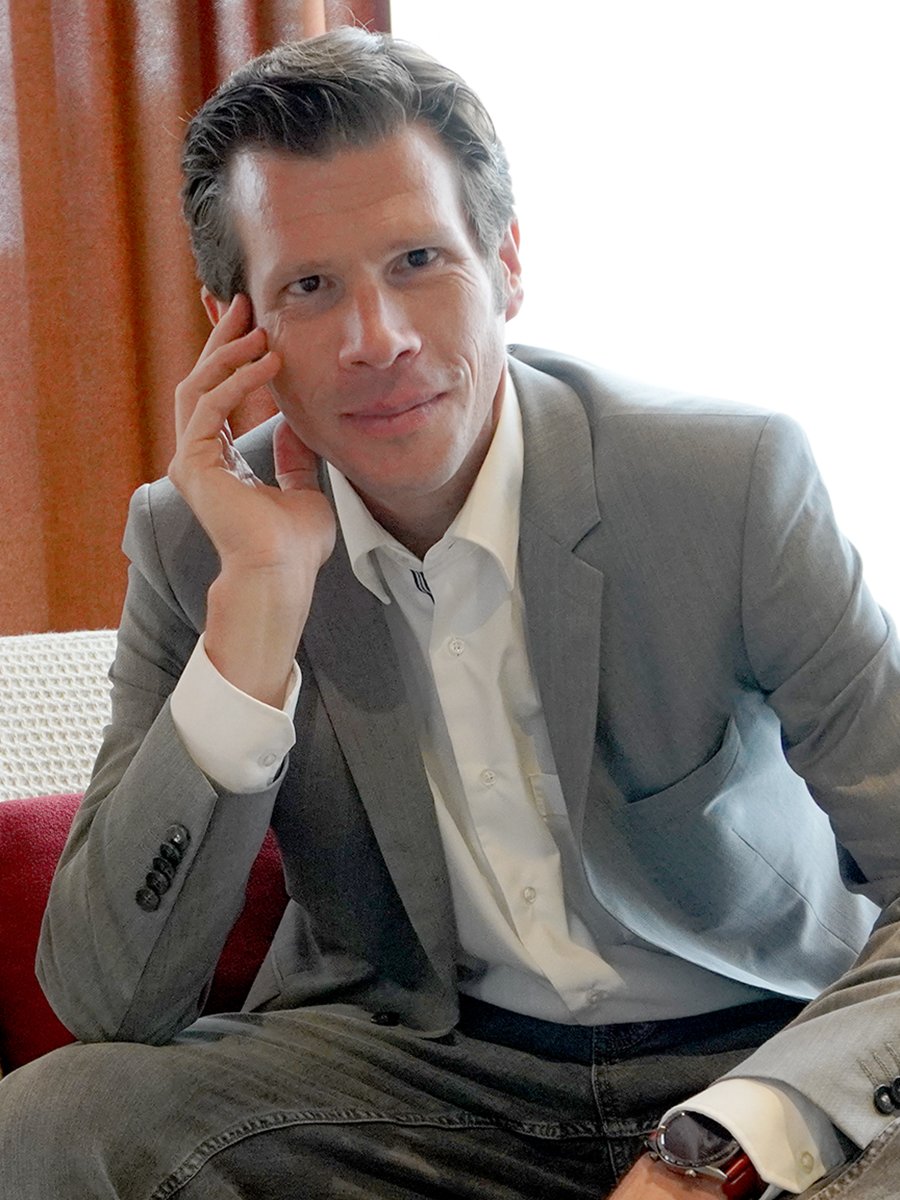
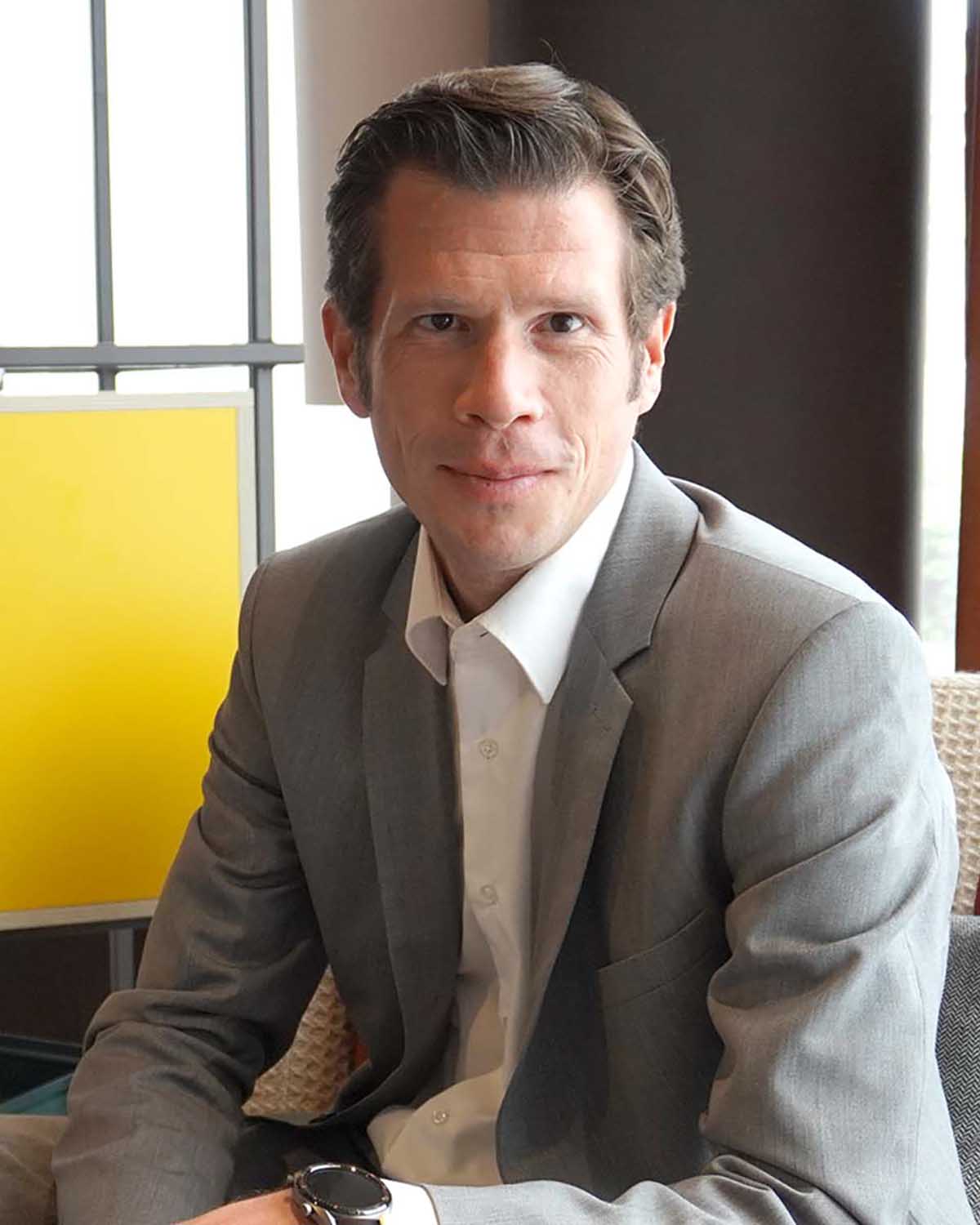
Dr. Thomas de la Fuente. Behavioral therapist with a PhD in philosophy and a long engagement with Jungian analytical psychology. Two approaches that complement each other because they ask different questions: what can concretely change — and what is at work underneath.
Born in Switzerland, raised between Basel and Upper Austria, several years in the United States. Out of that biography grows an attentiveness to how differently people experience themselves — and how much room it sometimes takes to arrive at oneself again.
Yes. I work fluently in English and German, and a large part of my practice is with English-speaking internationals and expats living in and around Linz. Sessions and correspondence can all be handled in English — whether you've recently relocated for work, are finding your way across cultures, or simply prefer to do this kind of work in your first (or second) language.
Yes, absolutely. As a psychotherapist, I am bound by statutory confidentiality under Section 45 of the Austrian Psychotherapy Act (Psychotherapiegesetz). Everything you share with me remains strictly confidential.
Duration varies greatly from person to person and depends on your concerns and goals. Some issues can be worked through in a few months, while others benefit from longer-term support. We will discuss this together and continuously adapt the course of therapy to your needs.
No. Psychotherapy is voluntary, and you are free to end it at any time. I do recommend, however, that we discuss this together in a session so that we can reach a thoughtful conclusion.
Yes. As a private-practice therapist (Wahltherapeut), I invoice you directly; you may then submit a portion of the cost to your health insurance fund for reimbursement. Approximate reimbursement amounts: ÖGK approx. € 33.70 per session, SVS approx. € 50.–, BVAEB approx. € 50.20. Please check with your health insurance fund for their current exact terms.
Yes — in English and German. Couples work can be especially valuable when a relationship spans two languages or cultures, or when a move abroad has shifted the ground beneath you both. You'll find more on the treatment page.
Austrian health insurance funds generally provide a subsidy for clinically relevant diagnoses. In cases of particular financial hardship, a limited number of therapy sessions at reduced rates is available.